
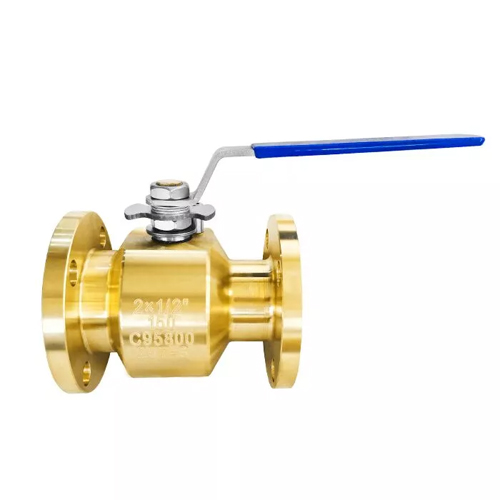
When picking ball valves, understanding the differences between brass vs bronze ball valves is crucial. These materials are manufactured differently and perform distinct functions. Brass primarily consists of copper and zinc, while bronze is made of copper and tin, containing up to 90% copper. Occasionally, bronze includes aluminum or nickel, enhancing its strength and resistance to rust. Both bronze and brass can also include other components such as manganese, aluminum, or nickel, which influence their properties. Brass is more affordable and suitable for applications involving water, air, and oil. However, bronze is more effective in challenging environments, such as those found near the ocean.
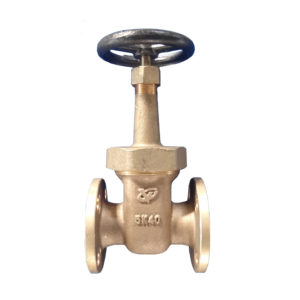
For instance, bronze Marine globe valves, Marine gate valves, and Marine check valves are commonly utilized on ships due to their ability to withstand harsh conditions. The bronze valve is valued for its corrosion resistance and is commonly used in the petrochemical industry and other demanding environments.
In the U.S., bronze Marine gate valves are particularly popular. By 2024, their market value is projected to reach $0.4 billion, with an expected growth rate of 4.2% annually until 2033. This trend indicates a growing demand for durable tools in water systems and industrial applications.
Bronze is one of the original metal alloys developed by early metal workers, often starting from a pre cast bronze ingot. Bronze and brass valves must meet lead restrictions for potable water, as specified by the Clean Water Act.
What Are Ball Valves?
Definition and Function
Ball valves help control how fluids move in systems. They work by turning a round disc, called the ball, which has a hole in it. When the hole lines up with the pipe, fluid flows through. Turning the ball 90 degrees blocks the flow completely.
Parts of a ball valve include the ball, stem, actuator, seat, body, and connections. The ball controls the flow, and the stem moves the ball. Actuators can be hand-operated or automated for remote use. The seat seals tightly to stop leaks, even under high pressure.
Ball valves can turn flow on or off or adjust it. Some designs, like V-port valves, allow precise control of fluid movement. Their strong seals prevent leaks, making them great for industries needing reliable tools.
Common Applications

Ball valves are used in many industries because they are dependable. Here are some examples:
- Pharmaceuticals: Control fluids in production, ensuring cleanliness and accuracy.
- Agriculture: Manage water flow in irrigation for better crop care.
- Metal and Mining: Handle rough materials in factories for smooth operations.
- Food and Beverages: Keep fluid control clean during production for safety.
- Paper and Pulp: Deal with harsh liquids in pulp-making, lowering upkeep costs.
| Industry | Application Description | Trends |
|---|---|---|
| Pharmaceuticals | Control fluids in production, ensuring cleanliness and accuracy. | Use of clean ball valves, automation for better processes, meeting industry rules. |
| Agriculture | Manage water flow in irrigation systems. | Use of drip irrigation systems, materials that resist rust. |
| Metal and Mining | Handle rough materials in factories. | Strong materials for tough conditions, new valve designs. |
| Food and Beverages | Keep fluid control clean during production. | Food-safe materials, clean designs, automated systems for accuracy. |
Ball valves are also found in home plumbing, factory pipelines, and ships. In the plumbing industry, ball valves are widely used as shut off valves for flow direction control in water and gas systems. They handle high pressure, making them important for oil and gas industries.
Importance of Material Selection
Picking the right material for a ball valve is very important. Different materials work better for certain jobs. For example:
- Stainless Steel: Fights rust, good for chemical and medicine industries.
- Brass: Cheap and useful, works well with water, air, and oil.
- Monel/Inconel: Strong and rust-resistant, great for tough conditions.
| Material Type | Key Properties | Applications |
|---|---|---|
| Stainless Steel | Fights rust | Chemical, oil, and medicine industries |
| Brass | Cheap and useful | Water, air, and oil systems |
| Monel/Inconel | Strong and rust-resistant | Tough conditions |
The material must match the fluid it handles. Copper alloy materials like brass and bronze are widely used in the valve industry for potable water applications because of their corrosion resistance and ability to meet lead restrictions set by the Clean Water Act. Brass valves are good for freshwater and potable water, while bronze valves resist saltwater damage, making them perfect for marine use. Seats and seals also need to fit the job to work well.
Choosing the right material lowers repair costs, lasts longer, and keeps systems safe. Knowing these details helps you pick the best valve for your needs.
Overview of Brass Ball Valves
Material Composition of Brass
Brass is a mix of copper and zinc. The amount of copper is usually 62-64%, while zinc makes up the rest. Sometimes, small amounts of other metals like aluminum, iron, or nickel are added to improve its strength or other features.
| Chemical Element | Percentage (%) |
|---|---|
| Copper (Cu) | 62.00 – 64.00 |
| Zinc (Zn) | Balance |
| Aluminum (Al) | 0.0 – 0.05 |
| Iron (Fe) | 0.0 – 0.10 |
| Lead (Pb) | 0.0 – 0.10 |
| Nickel (Ni) | 0.0 – 0.30 |
| Tin (Sn) | 0.0 – 0.10 |
| Others (Total) | 0.0 – 0.10 |
 Different combinations of copper and zinc create various brass alloys with varying properties. For example, brass alloys with higher copper content, such as dezincification resistant brass, offer improved corrosion resistance and are especially suitable for potable water applications. The zinc content in brass alloys is carefully controlled to balance machinability and resistance to corrosion.
Some common brass types used in ball valves include DZR brass, lead-free brass, and CW617N brass. These types are chosen because they are strong, resist rust, and work well in different conditions.
Key Properties of Brass Ball Valves
Brass ball valves are useful and dependable. They are great for many jobs because of their special qualities:
- Corrosion Resistance: Brass doesn’t rust easily, even in hot water systems. This helps keep water clean and safe. Brass ball valves are highly corrosion resistant, making them suitable for a high level of durability in demanding environments.
- Durability: Brass lasts a long time, especially when treated with coatings like nickel plating. Chrome plating is sometimes used to provide a durable, shiny surface that enhances the natural color of brass valves.
- Eco-Friendly Options: Many brass valves are now made without lead and can be recycled. This helps protect the environment.
- Tight Sealing: Brass valves seal tightly, which is important for controlling fluids and gases.
Brass is easy to shape, so making these valves doesn’t cost much. The low cost of brass ball valves is a key advantage for both residential and industrial applications. These features make brass valves popular for homes and industries. Additionally, brass has a smoother finish compared to bronze, which helps reduce finishing costs and makes it more appealing for applications requiring a polished appearance. Manufacturing methods like cold drawing and heat extrusion help achieve a smooth surface and reduce porosity, making brass ball valves highly corrosion resistant and suitable for applications requiring a high level of durability.
| Key Finding | Description |
|---|---|
| Suitability | Works well in tough jobs like oil and gas systems. |
| Performance | Handles hard conditions and keeps a tight seal. |
| Technological Advancements | Better machining improves strength and stops rust. |
| Sustainability | Lead-free and recyclable materials follow green rules. |
Common Applications of Brass Ball Valves
Brass ball valves are used in many areas because they are flexible and work well.
- Oil and Gas Industry: Brass valves handle high pressure and tough environments, making them important for drilling and production. Brass ball valves are also widely used in the natural gas industry for their corrosion resistance and safety features, such as Teflon sealing, making them suitable for gas distribution and processing.
- Residential Sector: They are found in plumbing, heating, and water systems in homes. Brass ball valves are commonly used as shut off valves in potable water applications due to their reliability and compliance with safety standards.
- Commercial Sector: Offices, hotels, and hospitals use them for water systems and fire safety. Brass ball valves are also chosen as shut off valves in potable water applications, ensuring safe and durable operation in drinking water systems.
- Agriculture: Brass valves help control water flow in irrigation systems for crops.
- Marine Applications: They resist rust, so they’re good for ship systems like cooling and fuel.
Brass valves also save energy by controlling flow accurately. This reduces waste in homes and factories. Their ability to work in many industries makes them a reliable choice.
Overview of Bronze Ball Valves
Material Composition of Bronze
Bronze is mostly made of copper and tin. As one of the original metal alloys developed by early civilizations, bronze has a long history of use due to its strength and durability. Adding tin makes it stronger and stops it from rusting. This makes bronze great for tough jobs. Some types of bronze also have aluminum or nickel. Bronze alloys may also include certain additives such as manganese and other components like aluminum, nickel, or lead, which enhance strength, durability, and corrosion resistance, and can improve the finish or allow the alloy to hold a polish. These extra metals make it last longer and resist damage. Bronze can handle water, steam, and even seawater. This is why it’s often used in ships and marine systems.
Bronze has been used for over 5,000 years, starting around 3500 BC. Its long history shows how strong and reliable it is. Today, modern bronze types like Nickel-Aluminum Bronze (NAB) are common. NAB is very strong and doesn’t rust in seawater. It’s perfect for ships and offshore structures. NAB valves are key for shipbuilding because they resist seawater damage.
Key Properties of Bronze Ball Valves

Bronze ball valves are tough and work well in many situations. Their special features include:
| Property | Description |
|---|---|
| Temperature Endurance | Works in temperatures from -40°C to 204°C. |
| Corrosion Resistance | Tin stops rust, making them last longer. |
| PTFE Seats and Seals | Resist wear and damage from chemicals. |
| Blowout Proof Stem | Stays safe in high-pressure systems. |
| Strength and Resilience | Handles tough conditions without breaking. |
Due to casting, bronze valves can have a rough and porous surface, which may lead to gradual degradation over time, especially in harsh environments. However, certain bronze alloys with additives like nickel or lead can be polished to achieve a smoother surface and reduce abrasiveness.
Bronze valves meet industry rules, so they’re safe for high heat and pressure. Their strong materials and tight seals make them dependable in hard jobs.
Common Applications of Bronze Ball Valves
Bronze ball valves are used in many industries because they are strong and resist rust. In marine systems, they are very important for handling seawater safely. Common uses include:
- Fuel Systems: Control fuel like diesel and biofuels on ships.
- Cooling Systems: Manage seawater flow to keep engines cool.
- Chemical and Oil Tankers: Safely move dangerous liquids without leaks.
- Subsea Applications: Work well underwater with pressure-balanced parts.
Bronze valves are often chosen for specific applications that require safety relief and flow direction control, such as in marine and industrial systems.
Nickel-Aluminum Bronze valves are especially useful in shipbuilding and offshore rigs. They don’t rust in seawater, making them perfect for coastal projects. As shipping grows, more of these valves are needed. Lead-free bronze valves are also becoming popular. They last longer and cost less to maintain.
Bronze ball valves aren’t just for ships. They’re also used in factories for water, steam, and chemicals. Their strength and rust resistance make them a reliable choice for tough jobs.
Brass vs Bronze Ball Valves: A Detailed Comparison
Material Composition
The main difference between brass and bronze ball valves is their materials. These two metals, brass and bronze, have different properties due to their unique alloy compositions. Brass is made from copper and zinc, with small amounts of other metals like lead or nickel added for specific features. This makes brass valves affordable and useful for many jobs. Bronze, however, is mostly copper and tin, sometimes with aluminum or nickel added to make it stronger and last longer.
Brass alloys and bronze alloys are both types of copper alloy materials, but their specific alloys and additives result in distinct performance characteristics. Bronze has more copper, which helps it resist wear and rust, especially in salty environments. Brass, because of its zinc, is easier to shape into valve parts. When deciding, think about what the valve will be used for. Brass valves are great for freshwater systems. But for seawater or tough industrial jobs, bronze valves work better.
Corrosion Resistance
How well a valve resists rust is very important. Both brass and bronze are considered highly corrosion resistant materials, but their performance can vary depending on the environment.
| Material | Corrosion Resistance Features |
|---|---|
| Brass | Corrosion resistant and resists rust but can weaken with high levels of chlorine; good for natural gas and drinking water due to low lead. Dezincification resistant brass is specifically formulated to withstand high levels of chlorine and remain corrosion resistant in potable water systems. |
| Bronze | Strong against dezincification but may have small corrosion flaws; handles cracking better. |
Brass works well in places with low chlorine, like drinking water or gas systems. But too much chlorine, especially at high levels, can damage it over time and reduce its corrosion resistance. Bronze, with its tin, avoids dezincification, where zinc leaks out and weakens the material. This makes bronze better for salty or chemical-heavy environments.
Think about where the valve will be used. For seawater or chemicals, bronze is safer. For home plumbing or gas, brass is a good and cheaper option.
Tip: Always match the valve material to the fluid and environment. This helps it last longer and need less fixing.
Heat Resistance
Brass and bronze ball valves handle heat differently. Both are designed to perform reliably in hot temperatures, but bronze is preferred for the highest temperature applications. Bronze can take higher temperatures, making it good for tough jobs. It works well in temperatures from -40°C to 204°C. This is why bronze is often used in steam systems and hot industrial processes.
Brass is strong but doesn’t handle heat as well. It’s best for medium temperatures, like in home heating or water pipes. Too much heat can weaken or bend brass, making it less effective.
For very hot conditions, choose bronze valves. They stay strong under heat, making them reliable for marine and industrial use. For regular jobs, brass valves are cheaper and work just fine.
Note: Always check the valve’s heat rating before using it. This ensures it fits your system’s needs.
Durability
Durability is key when picking between brass and bronze valves. A good valve should last long without needing frequent changes. Brass ball valves are strong enough for everyday use. They handle moderate pressure and temperature well. But they might not work well in very corrosive or rough conditions.
Bronze ball valves are tougher and better for hard jobs. Tin in their mix makes them stronger and rust-resistant. This is why they’re great for marine systems and industries with seawater or chemicals. Bronze valves also resist breaking or bending under high pressure, making them very reliable. They are also less prone to gradual degradation in harsh environments compared to other materials, which helps maintain their performance and lifespan.
For freshwater or mild conditions, brass valves are a cheaper option. For harsher places, bronze valves last longer and work better.
Tip: Always check the conditions where the valve will be used. Pick a material that matches your system’s needs.
Machinability
Machinability means how easy it is to shape a material. Brass ball valves are very easy to make. Their material allows precise parts to be created quickly. Manufacturing processes such as cold drawing and heat extrusion are commonly used to produce brass valve components with a smooth surface and high dimensional accuracy. This makes them a top choice for plumbing and water systems. Additionally, brass is more malleable and versatile than bronze, making it easier to work with in various applications.
Bronze ball valves are also easy to shape, especially for detailed designs. They resist wear and rust, so they work well in tough environments. This makes them perfect for marine and industrial systems. However, bronze valves can only be made by casting or machining cast ingots, which can limit their production methods compared to brass.
| Material | Machinability | Applications | Special Features |
|---|---|---|---|
| Brass | Very Good | Plumbing, water | Stops dezincification |
| Bronze | Excellent | Marine, tough jobs | Resists wear and rust |
- Brass valves are great for plumbing because they’re easy to make.
- Bronze valves are best for marine use due to their toughness.
When choosing between brass and bronze, machinability matters. Brass is cheaper and easier to produce. Bronze costs more but performs better in special situations.

Cost
Cost is a big factor when picking ball valves. Brass valves are cheaper because they’re simpler to make. They’re a good choice if you need something reliable for basic jobs.
Bronze valves cost more, but they’re stronger and resist rust better. Spending more on bronze can save money later by avoiding repairs or replacements.
The price points of brass and bronze ball valves vary depending on the material, manufacturing process, and application requirements.
When comparing brass and bronze, think about the total cost. Brass is cheaper upfront, but bronze may save money over time for tough jobs.
Note: Look at your budget and what your system needs. Choose the valve that gives the best value for your situation.
Suitability for Applications
Picking between brass and bronze ball valves depends on the job. The choice often comes down to specific applications and the desired valve interface, as each material offers unique benefits for different environments. Some users also prefer the natural color of brass or bronze for aesthetic reasons, especially in visible installations. Each material has special features that make it better for certain uses. Here’s how to decide which valve fits your needs.
1. Residential and Commercial Plumbing
Brass ball valves are great for home and building plumbing. They are affordable and resist rust, making them perfect for freshwater systems. Common uses include:
- Water pipes: Handle normal pressure and temperature well.
- Heating systems: Work in hot water without breaking.
- Gas lines: Seal tightly to stop leaks, keeping gas safe.
Tip: If your water has chlorine, pick brass valves that resist dezincification. This helps them last longer.
2. Marine and Coastal Environments
Bronze ball valves are better for marine areas. Their mix of copper and tin stops seawater damage. Use bronze valves for:
- Ships: Cooling, fuel, and ballast systems need strong valves.
- Offshore platforms: Bronze handles salty air and water well.
- Desalination plants: They resist rust, making them reliable for saltwater use.
Note: Nickel-aluminum bronze valves are even tougher and resist biofouling in marine systems.
3. Industrial Applications
Both brass and bronze valves work in factories, but the choice depends on the job.
- Brass valves: Good for cheaper solutions in mild conditions, like:
- HVAC systems: Control air and water flow easily.
- Farming: Manage irrigation systems with accuracy.
- Bronze valves: Best for tough jobs with high pressure or heat, like:
- Chemical plants: Resist damage from strong chemicals.
- Steam systems: Stay strong in extreme heat.
4. Cost-Sensitive Projects
For tight budgets, brass ball valves are cheaper and easy to find. They work well for big projects needing cost savings. But for hard conditions, spending more on bronze valves can save money later by avoiding repairs.
| Application Type | Best Material | Why It Works |
|---|---|---|
| Home Plumbing | Brass | Cheap and rust-resistant |
| Marine Systems | Bronze | Stops seawater damage |
| Factory HVAC | Brass | Affordable for mild conditions |
| Chemical Processing | Bronze | Handles strong chemicals |
5. Environmental Considerations

Both brass and bronze valves now come in eco-friendly options. Lead-free versions are recyclable and meet green rules. Picking the right material helps your system work well and supports the environment. However, it is important to note that bronze valves can contaminate water with lead if not made with lead-free materials, making lead-free options crucial for safety.
Conclusion: Choose brass for cheaper and easier jobs. Pick bronze for tough places like marine or industrial systems. Matching the valve to your needs ensures it works well and lasts long.
Factors to Consider When Choosing Between brass and bronze valves
Operating Environment
The environment where a valve is used is very important. Different materials work better in certain conditions. For example, brass valves are great for freshwater and mild settings. They don’t rust easily, so they’re good for home plumbing and commercial use. But they might not handle high pressure or heat well.
Bronze valves are better for tough environments. They are made with copper and tin, which stop rust. This makes them perfect for marine systems, where seawater can harm other materials. Nickel-aluminum bronze valves are especially strong. They resist seawater damage and last long on ships and offshore platforms. However, a bronze valve can have a rough and porous surface due to the casting process, which can affect its finish and may require additional treatment for certain applications.
When picking a valve, think about the fluid, pressure, and temperature. Both bronze and brass valves are selected based on their suitability for the operating environment. Good valves save energy and improve system performance. Automated bronze valves are great for high-pressure jobs. They also help reduce harmful leaks, making them eco-friendly.
| Trend | Description |
|---|---|
| Sustainability | Focus on eco-friendly valves to meet environmental needs. |
| Customization | Demand for valves designed for specific jobs and conditions. |
| Total Cost of Ownership | Importance of long-lasting, energy-saving valves for lower costs. |
Tip: Always choose a valve material that fits the environment. This helps it work better and last longer.
Budget Constraints
Your budget often decides which valve to pick. Brass valves are cheaper and work well for small or medium jobs. They are a popular choice for home plumbing and business systems. But they may not perform well in very hot or high-pressure systems.
Bronze valves cost more but are stronger and resist rust better. They are worth the price for important jobs, like in marine or chemical industries. Spending more on bronze valves upfront can save money later by avoiding repairs.
| Valve Type | Corrosion Resistance | Cost-Effectiveness | Applications | Performance Limitations |
|---|---|---|---|---|
| Brass | Resists rust well | Affordable for smaller systems | Home and business plumbing | Struggles with high heat or pressure |
| Bronze | Strong against rust | Costs more but lasts longer | Marine and chemical systems | Works best in tough conditions |
Note: Think about your budget and how long the valve will last. Spending more on bronze valves now can save money over time.
Longevity and Maintenance
How long a valve lasts and how much care it needs are key factors. Brass valves are strong for everyday use but need more upkeep in tough places. They resist rust in freshwater but can weaken if exposed to too much chlorine.
Bronze valves last longer, especially in harsh environments. Their tin content helps them resist rust and wear. This makes them great for marine systems, where seawater can cause damage. They also handle high pressure and heat better, making them less likely to fail.
Picking the right valve reduces maintenance and keeps systems running longer. Automated bronze valves are a smart choice. They control flow precisely, reducing wear and saving energy. This lowers operating costs.
Tip: Match the valve to your system’s needs. This ensures it lasts longer and requires less maintenance.
Industry-Specific Requirements
Different industries need ball valves for specific jobs. The valve industry relies on a variety of materials and designs to meet the specific needs of different sectors. Knowing these needs helps you pick the right valve. Things like material, type, size, and industry demands are important when choosing.
Material Selection
Industries use different materials to make sure valves work well. Examples include:
- Stainless Steel: Great for chemical and medicine industries because it fights rust and handles heat.
- Cast Iron: Used in construction because it’s strong and affordable.
- Cryogenic Materials: Needed for energy systems that work in freezing temperatures.
Picking the right material helps the valve last longer and work better.
Valve Type
Industries also need specific valve designs for their systems. Common types include:
- Trunnion Mounted Ball Valves: Used in oil and gas for high-pressure systems.
- Floating Ball Valves: Simple and reliable for water systems.
- Rising Stem Ball Valves: Precise and leak-proof for chemical plants.
Each type has its own benefits, so match the design to your industry’s needs.
Size Considerations
Valve size matters for controlling fluids efficiently. Industries group valves by size:
- Up to 1”: Good for small jobs like home plumbing.
- 1” to 6”: Used in farming and food factories for medium tasks.
- 50” and Larger: Needed for big systems like oil refineries.
Choosing the right size ensures the valve handles flow and pressure properly.

Industry Applications
Ball valves are used in many industries, each with special needs. Here’s a summary:
| Industry | Needs |
|---|---|
| Oil and Gas | Strong valves that resist rust for drilling. |
| Energy and Power | Freezing-temperature valves for power systems. |
| Chemicals | Leak-proof valves for dangerous liquids. |
| Water and Wastewater | Tough valves for handling large water amounts. |
| Pharmaceuticals | Clean valves made of stainless steel for safe fluid control. |
| Agriculture | Affordable valves for watering crops. |
| Metal and Mining | Heavy-duty valves for rough materials. |
| Food and Beverages | Safe valves for clean production processes. |
Every industry has its own challenges. Picking the right valve features ensures safety and smooth operations.
Tip: Always think about your industry’s needs before choosing ball valves. This saves money and keeps systems running well.
When picking between brass and bronze ball valves, knowing their materials and uses is important. Brass valves are made from copper and zinc. They are cheaper, easier to shape, and more flexible. These valves are great for drinking water systems and natural gas lines. Bronze valves, made from copper and tin, are stronger and resist rust better. This makes them perfect for ships and chemical industries.
The main difference is how they handle different conditions. Brass valves fight rust well and have less lead, while bronze valves survive tougher environments. Check the table below to see their key features:
| Property | Brass | Bronze |
|---|---|---|
| Material Composition | Copper and zinc alloy | Copper and tin alloy |
| Heat Resistance | Melting point 1710°C | Melting point 1590°C |
| Corrosion Resistance | Better than bronze | Good, but less than brass |
| Ductility | More flexible | Less flexible |
| Machinability | Easier to make | Harder to make |
| Lead Levels | Lower lead levels | Higher lead levels |
| Durability | Lasts longer in general | Tough, but less than brass |
| Cost | Cheaper | More expensive |
| Recommended Uses | Drinking water, natural gas | Ships, chemical industries |
Choose the right valve based on your needs. Brass valves are affordable and versatile. Bronze valves are best for tough jobs and harsh places.
FAQ
What is the main difference between bronze and brass valves?
Brass valves are made of copper and zinc. Bronze valves are made of copper and tin. Brass is cheaper and easier to shape. Bronze is stronger and resists rust better, making it great for tough places like the ocean.
Can brass ball valves handle seawater?
No, brass valves are not good for seawater. Salt can damage them over time. Bronze valves are better for marine use because they resist saltwater damage.
Are bronze ball valves more expensive than brass ones?
Yes, bronze valves cost more than brass ones. They are stronger, resist rust better, and work in tough conditions. Their long life makes them worth the extra cost for hard jobs.

Which valve material is better for home plumbing?
Brass valves are best for home plumbing. They are cheap, don’t rust, and work well with freshwater. They are easy to install and seal tightly, making them a top choice for homes.
Do bronze ball valves require more maintenance?
No, bronze valves need less care. They resist rust and last longer, so you don’t have to fix or replace them often. This makes them great for tough jobs like marine or factory use.
Can brass ball valves handle high temperatures?
Brass valves can handle medium heat but not very high heat. For hot systems, bronze valves are better. They can handle up to 204°C, making them good for steam and factories.
Are lead-free brass valves safe for drinking water?
Yes, lead-free brass valves are safe for drinking water. They meet safety rules and stop lead from getting into the water. These valves are often used in home plumbing to keep water clean.
How do I choose between brass and bronze ball valves?
Think about where you’ll use the valve, your budget, and the job. Use brass for freshwater and home systems. Pick bronze for marine, factory, or high-pressure jobs. Choosing the right valve helps it last longer and work better.