
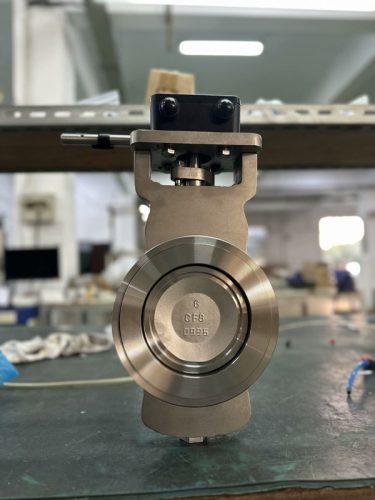
Marine valves are crucial for controlling the flow of fluids like seawater and fuel on ships. They ensure smooth operation and safety by regulating and isolating systems as needed. This article will introduce you to the types, materials, and vital role of marine valves in maritime operations.
Key Takeaways
- Marine valves are essential for vessel safety and performance, regulating fluid flow and enabling quick system isolation in emergencies.
- Different types of marine valves, such as ball, butterfly, and check valves, serve specific applications and enhance operational efficiency.
- Robust maintenance and innovative technologies in marine valves significantly improve their durability and reliability, crucial for maritime safety.
Essential Marine Valves
Marine valves are indispensable for the efficient and safe operation of vessels, regulating the flow of critical fluids such as seawater, fuel, and ballast. These components are central to the smooth functioning of various onboard systems, ensuring that everything operates within the desired parameters. Without effective valve systems, the intricate balance of fluid management necessary for optimal ship performance would be compromised.
Marine valves are crucial in emergencies, swiftly isolating systems to prevent disasters like fires or leaks, thus protecting both the vessel and its crew. The capacity to quickly shut down systems can turn a manageable incident into a non-catastrophic event.
Vessel operators must be thoroughly familiar with emergency shutdown procedures to maximize the effectiveness of these critical components. This knowledge allows them to act swiftly and decisively to mitigate risks and maintain safety. Understanding the full scope of open marine valve functionality is a vital aspect of maritime safety.
Types of Marine Valves
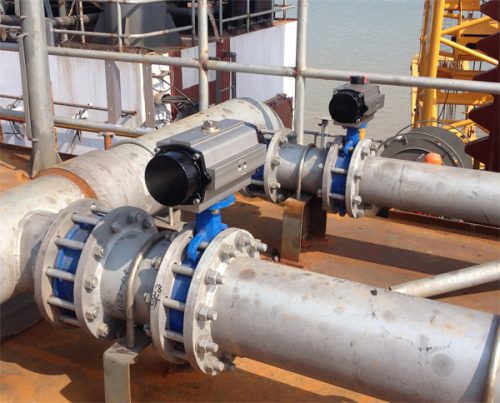
The marine industry relies on a variety of valve types, each tailored to specific applications and operational requirements. Shipbuilders and naval architects require specific types of valves for the shipbuilding industry, ensuring that these components meet the unique demands of maritime construction. Naval engineers, in particular, require valves that adhere to various marine standards and certifications to ensure safety and compliance in their designs.
- Their rapid shutoff capabilities
- Being ideal for flow control and isolation across various onboard systems
- Their quick action and reliability, making them a staple in many marine applications.
Marine Butterfly Valves
Marine butterfly valves are highly valued for their versatility and efficiency in regulating fluid flow on vessels. Commonly used in seawater cooling systems and fuel line applications, these valves provide an effective solution for managing large volumes of fluid with minimal pressure loss. Their compact design and quick operation make them ideal for space-constrained marine environments.
These valves are designed to handle the demanding conditions of the marine industry, including exposure to corrosive seawater and fluctuating pressures. Constructed from durable materials such as bronze, stainless steel, and exotic alloys like copper nickel, marine butterfly valves offer excellent resistance to corrosion and wear.
The ability of butterfly valves to provide reliable flow control and rapid shutoff capabilities makes them a staple in many marine applications, contributing significantly to vessel safety and operational efficiency.
Marine Ball Valves
Marine ball valves are essential components in the marine industry, known for their durability and reliable sealing capabilities. They are widely used for on/off control of fluids such as fuel, water, and other liquids aboard ships. The design of ball valves allows for quick and tight shutoff, which is critical in emergency situations to prevent leaks and ensure vessel safety.
Constructed from robust materials like bronze, stainless steel, and copper nickel, marine ball valves are engineered to withstand harsh marine environments, including exposure to corrosive seawater and extreme temperatures. Their compact size and ease of operation make them ideal for space-constrained areas on vessels.
These valves provide excellent performance in various marine applications, including fuel systems, ballast control, and fire suppression systems. The reliability and low maintenance requirements of marine ball valves make them a trusted partner in ensuring smooth and secure ship operations.
Marine check valves
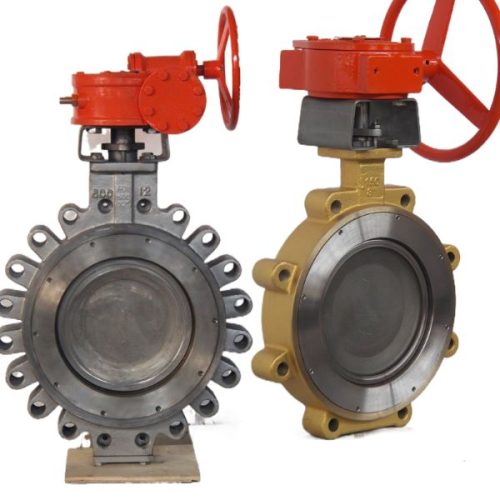
Check valves play a crucial role in maintaining the integrity of marine systems by allowing fluid to flow in only one direction. This prevents backflow, which could potentially lead to flooding and other severe issues. Check valves maintain the stability and safety of critical systems aboard the ship by ensuring unidirectional flow. Marine valves should undergo extensive in-house testing to ensure they meet industry standards, further guaranteeing their reliability and safety in operation.
Marine Gate Valves
Marine gate valves are widely used in the marine industry for their ability to provide tight shutoff and minimal pressure drop when fully open. They operate by lifting a gate out of the path of the fluid, allowing for unobstructed flow. These valves are ideal for applications where a straight-line flow of fluid and minimum restriction is desired.
Typically constructed from durable materials such as bronze, stainless steel, and copper nickel, marine gate valves are designed to withstand harsh marine environments, including exposure to seawater and corrosive substances. Their robust construction ensures long service life and reliable performance, even under high pressure and temperature conditions.
Marine gate valves are commonly found in ballast systems, fuel lines, and cooling water circuits aboard ships. Their ability to isolate sections of piping quickly and effectively makes them essential for maintenance and emergency shutdown procedures.
With certifications from recognized bodies like the American Bureau of Shipping and the U.S. Coast Guard, marine gate valves meet stringent safety and quality standards, ensuring their suitability for critical marine applications.
Material Choices for Marine Valves
Choosing the right materials for marine valves is pivotal to their performance and longevity. In the harsh marine environment, valves must withstand extreme conditions while resisting corrosion. Bronze is a popular choice due to its excellent durability and resistance to saltwater corrosion, making it ideal for long-lasting performance. Additionally
Stainless steel
is another common material valued for its strength and corrosion resistance, essential attributes in the marine industry. Advanced coatings, such as thermal spray and plasma-transferred arc cladding, further enhance the valves’ ability to resist wear and corrosion, ensuring they remain operational in the most challenging environments.

Aluminum Bronze
Aluminum bronze is a widely used material in marine valves due to its excellent corrosion resistance, high strength, and durability in seawater environments. This copper-based alloy contains aluminum as the primary alloying element, which enhances its resistance to corrosion, particularly against seawater and marine atmospheres. Aluminum bronze valves offer superior wear resistance and maintain their mechanical properties even under high pressure and temperature conditions common in marine applications.
These valves are commonly employed in critical marine systems such as seawater cooling, ballast, and fuel handling due to their ability to withstand harsh marine environments while ensuring reliable performance. The alloy’s natural resistance to biofouling and erosion makes aluminum bronze an ideal choice for long-lasting marine valve components.
Carbon steel
Carbon steel is a widely used material in marine valve manufacturing due to its strength, durability, and cost-effectiveness. It offers good mechanical properties and is suitable for high-pressure applications commonly found in marine systems. However, carbon steel is more susceptible to corrosion compared to materials like bronze or stainless steel, so it often requires protective coatings or linings to enhance its resistance to the harsh marine environment.
Carbon steel valves are typically used in systems where high strength is essential, such as fuel oil lines and steam systems. Proper maintenance and corrosion protection are critical to ensuring the longevity and reliable performance of carbon steel marine valves.
Other Material
Exotic materials like Duplex alloys, Nickel-based alloys, and titanium are also used to manufacture marine valves. These exotic alloys offer superior strength and resistance to extreme corrosion, making them suitable for the most demanding applications. Techniques like electroless nickel plating are gaining traction for their ability to improve wear resistance and conductivity, particularly in saltwater usage.
With these advanced materials and coatings, manufacturers can produce a product of manufactured valves that meet the highest standards of durability and performance.
Certification and Compliance
Ensuring that marine valves meet rigorous certification and compliance standards is fundamental to maintaining safety and reliability in maritime operations. Custom-designed valves are extensively tested to meet industry standards for commercial vessels, ensuring they perform reliably under demanding conditions. IMI offers extensive testing for their high-performance valves to ensure compliance with industry standards.
NK, BV, KR, RS, DNVGL Classification Society Certificate

Marine valves used in vessels must comply with stringent standards set by leading classification societies to ensure safety, reliability, and performance in harsh marine environments. Certification from organizations such as Nippon Kaiji Kyokai (NK), Bureau Veritas (BV), Korean Register (KR), Russian Maritime Register of Shipping (RS), and DNV GL (Det Norske Veritas Germanischer Lloyd) confirms that valves meet rigorous technical and quality requirements.
These classification societies conduct thorough inspections, testing, and audits during the design, manufacturing, and installation phases to verify compliance with international maritime regulations. Valves certified by these bodies are trusted for their durability, corrosion resistance, and operational integrity, making them essential components in critical marine systems.
Obtaining NK, BV, KR, RS, and DNVGL certifications assures shipbuilders, naval architects, and operators that the marine valves installed on their vessels adhere to the highest industry standards, promoting safety and regulatory compliance worldwide.
CCS, ABS, LR Classification Society Certificate
Marine valves must meet rigorous standards set by various classification societies to ensure safety, reliability, and compliance in maritime operations. The China Classification Society (CCS), American Bureau of Shipping (ABS), and Lloyd’s Register (LR) are among the leading organizations that certify marine equipment, including valves.
These societies conduct comprehensive inspections, testing, and audits throughout the design, manufacturing, and installation processes. Certification from CCS, ABS, and LR guarantees that marine valves adhere to strict technical and quality requirements, ensuring they can withstand the harsh conditions of the marine environment.
Shipbuilders, naval architects, and operators rely on these certifications to verify that the valves installed on their vessels meet international maritime regulations. This compliance is crucial for maintaining operational integrity, safety, and insurance coverage. Valves certified by CCS, ABS, and LR are trusted components in critical marine systems, including fuel handling, ballast control, and firefighting, contributing to the overall security and performance of ships.
Emergency shutdown valves are particularly vital in ensuring marine safety. These valves allow for the rapid isolation of critical systems during emergencies, helping to prevent catastrophic failures and ensuring the safety of the vessel and its crew. IMI supplies custom-designed high-performance valves for submarines and surface ships, incorporating advanced technology for critical systems.
Specialized Valves for Tug & Barge
The tug and barge sector presents unique challenges that require specialized valve solutions. These valves must be designed to withstand extreme pressures and resist corrosion from constant exposure to seawater and various cargoes. Warren Valve has a proven track record manufacturing and supplying valves to ship and barge builders, ensuring reliability in these demanding environments. Additionally, Warren Valve has a decades-long install base with major inland and blue water tug and barge operators, further solidifying their reputation in this sector.
To meet these demands, specialized valves often feature advanced materials and designs that ensure their reliability in the most severe marine environments. These valves are engineered to endure high-pressure conditions typical of marine operations, providing the necessary durability and performance.
These specialized designs enable manufacturers to create valves tailored to the specific demands of the tug and barge sector, ensuring operational efficiency and safety.

Shipbuilding and Military Applications
In shipbuilding and military sectors, the performance of marine valves is crucial to mission success and safety. High-performance valves often include features like fire testing and pressure ratings to withstand the demanding operational conditions of naval vessels. Milwaukee Valve has supplied valves to the U.S. Navy for over 45 years, demonstrating their reliability and expertise in meeting stringent military requirements. These valves must adhere to strict military specifications to ensure they can handle the extreme environments they are deployed in. Warren Valve’s valves have been deployed in critical naval applications, ensuring the efficient operation of propulsion systems and onboard utilities. American Valve, with over 100 years of dedication to dependable products, also plays a significant role in ensuring reliability in these critical applications. IMI supplies high-performance valves to navies worldwide for submarines and surface ships, incorporating advanced technology for critical systems.
Danco pressure relief valves are specifically designed to exceed military standards, offering durability and optimal performance in naval applications. These valves can be customized to meet both standard military specifications and specific operational requirements, providing tailored solutions that off-the-shelf products may not offer.
Features like tamper-resistance enhance security in mission-critical applications, ensuring the reliability and dedicated safety of navy operations year.
Valve Maintenance and Services
Regular maintenance and inspection of marine valves are essential to ensure they remain fit for service and comply with industry standards. These practices help detect early signs of corrosion, leaks, and damage, allowing for timely interventions that prevent more significant issues. Using marine-specific lubricants during maintenance reduces friction and enhances the longevity of valve components.
Applying anti-corrosion coatings and conducting routine cleanings are crucial to protecting marine valves from the harsh saltwater environment. Implementing robust maintenance practices significantly enhances the operational efficiency and lifespan of marine valves, ensuring their reliable performance over the long term.
Innovative Solutions in Marine Valves
Innovation is at the forefront of the marine valve industry, driving advancements that improve ship performance and reliability. Companies like Milwaukee Valve focus on developing new products and core technologies to stay ahead in the market. These technological advancements are crucial for enhancing the efficiency and reliability of marine systems. W&O operates strategically located service centers to provide mission-critical products and services to the maritime industry, ensuring timely support and operational continuity.
Innovations in commercial marine valves lead to increased operational efficiency, reducing the need for frequent maintenance and lowering overall operational costs. By embracing these innovative solutions, the industry can achieve higher performance standards and ensure the safety and reliability of their vessels.

Summary
Marine valves are the backbone of efficient and safe vessel operations, playing a critical role in regulating fluid flow, ensuring safety, and enhancing performance across various applications. Commercial marine valves serve multiple functions, including regulating water, fuel, and air, which are essential for maintaining operational stability and safety at sea. Custom-designed valves for commercial vessels are tailored to meet these diverse functional requirements, ensuring optimal performance in demanding maritime environments.
Certifications and compliance with industry standards are essential to maintaining operational integrity and safety. Specialized valves for sectors like tug and barge, as well as shipbuilding and military applications, demonstrate the versatility and robustness required to meet specific operational demands. W&O has a reputation for forming win-win strategic partnerships with clients, further enhancing the reliability and efficiency of marine valve solutions.
Regular maintenance and the adoption of innovative solutions are key to maximizing the efficiency and lifespan of marine valves. As the industry continues to evolve, these advancements will pave the way for greater performance and reliability, ensuring the continued success and safety of maritime operations.
Frequently Asked Questions
Why are marine valves crucial for vessel operations?
Marine valves are crucial for vessel operations as they regulate the flow of fluids such as seawater, fuel, and ballast, ensuring efficiency and safety in various functions onboard. Their proper functioning is essential for maintaining operational stability and safety at sea.
What materials are commonly used for marine valves?
Marine valves are commonly made from bronze for corrosion resistance and stainless steel for strength and durability, with some high-performance applications using Duplex alloys and titanium. These materials ensure reliability in harsh marine environments.
Why is certification important for marine valves?
Certification is crucial for marine valves as it verifies that they comply with safety and reliability standards established by authoritative organizations such as the American Bureau of Shipping and the U.S. Coast Guard. This adherence to standards ultimately protects marine operations and enhances safety at sea. Atlantic Valve is a trusted partner for various valve manufacturers, ensuring certified products meet the highest industry standards.
What are the benefits of innovative marine valve solutions?
Innovative marine valve solutions enhance operational efficiency, minimize maintenance requirements, and boost overall ship performance and reliability. These advancements contribute significantly to the effectiveness of marine operations.
How does regular maintenance impact marine valve performance?
Regular maintenance significantly enhances marine valve performance by identifying early signs of wear and damage, thus reducing friction and prolonging their service life. This proactive approach ensures valves remain compliant with industry standards and reliable in operation.