

You depend on hydraulic valve actuators to keep ships running well. These tools help control fluid systems needed for moving, steering, balancing, and loading cargo. A hydraulic transmitter powers the actuator, turning hydraulic energy into motion. This motion allows easy valve changes. Whether it’s a Hydraulic butterfly valve or an Electro hydraulic actuator, these systems are very reliable and work efficiently in tough marine conditions. Hydraulic valve actuators provide versatile solutions for a wide range of marine ship control needs, offering adaptability for different applications.
Understanding Hydraulic Valve Actuators
What Are Hydraulic Valve Actuators?
Hydraulic valve actuators are tools that use hydraulic energy to move valves. These valves are important in ships because they control fluid flow. They handle fluids under high pressure to keep systems working. Unlike other methods, hydraulic actuators use liquids that don’t compress. This creates strong force, perfect for big valves in ship engines or ballast systems. Hydraulic actuators typically function as linear actuators in various applications, providing precise and reliable motion control. Hydraulic valve actuators can be operated automatically or remotely to control valves in marine systems, ensuring efficient and safe operation.
There are two main types of hydraulic actuators: single-acting and double-acting. Single-acting actuators push the piston from one side. Double-acting ones use pressure on both sides for better control. These actuators can move in straight lines, rotate, or swing back and forth. Their strength and flexibility make them essential for marine tasks. Additionally, rack and pinion actuators are used for rotary motion in hydraulic systems, offering versatile movement options.
How Hydraulic Valve Actuators Work
Hydraulic valve actuators turn hydraulic pressure into movement. It starts with a cylinder that holds a piston. When fluid enters the cylinder, it builds pressure. This pressure moves the piston, which then moves the valve. This lets you control how fluids flow.
The main parts of a hydraulic actuator include: Hydraulic actuators are commonly used to automate valves on gas transmission pipelines, utilizing pipeline gas as a power source. This ensures efficient and reliable operation in critical systems.
- A cylinder that changes pressure into motion.
- A piston that moves to open or close the valve.
- Seals that stop leaks.
- Fluid that carries the force.
Hydraulic valve actuators are often paired with a control valve to enable precise and automated fluid management in marine applications.
These parts work together to give precise control. This makes them great for steering and propulsion systems. Hydraulic actuators are better than others for handling high pressure and large valves.
Key Features of Hydraulic Valve Actuators
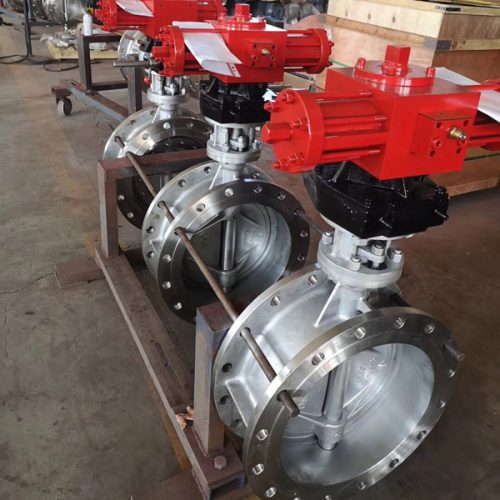
Hydraulic valve actuators are built to last in tough marine conditions. They are strong and resist damage from saltwater. Some key features are: Some hydraulic actuators feature explosion-proof and weatherproof enclosures, making them suitable for hazardous and extreme environments. Additionally, they can utilize zero exhaust emissions technology, supporting eco-friendly operations. High-force actuators are also used in mining and drilling applications, showcasing their versatility in handling demanding tasks across industries.
- High Torque: They provide strong force for heavy tasks.
- Compact Design: Their small size fits tight spaces easily.
- Corrosion Resistance: Special materials stop damage from seawater.
- Elimination of Radial Forces: This reduces wear and cuts down on repairs.
These features make hydraulic actuators the best choice for ships. They are more reliable and efficient than other systems. Whether for steering or cargo handling, they ensure smooth and safe operations.
Importance of Valves for Shipbuilding
Role of Valves in Marine Systems
Valves are important for controlling fluid flow on ships. They help manage water, oil, and other liquids for ship systems. These systems include propulsion, ballast tanks, and cargo equipment. Without good valves, ships can’t work efficiently or stay balanced.
The need for better valves is growing in shipbuilding. This is because global trade and shipping routes are expanding. Offshore ships also need strong valves to handle tough conditions. Navy ships use actuated valves for safety and readiness as fleets get updated.
New valve technology adds automation and digital features. Smart valves now use sensors to collect live data. This improves how they work and makes maintenance easier. These upgrades make valves very important for building and running ships.
| Market Size (USD) | CAGR (%) | Timeframe |
|---|---|---|
| 2.5 billion | 8.3 | 2024 to 2032 |
Why Hydraulic Actuators Are Ideal for Marine Valves
Hydraulic actuators work well with marine valves because they handle high pressure. Their small size fits tight ship spaces, and they resist seawater damage.
Electro-hydraulic actuators are even better. They are stronger, need less care, and don’t leak fluids. These actuators offer high thrusts and torques for valve operation while staying clean and safe. They work in many ship areas like propulsion, ballast, and cargo systems.
| Feature | Hydraulic Cylinder-Based Systems | Electro-Hydraulic Actuators |
|---|---|---|
| Max Load Capacity | >21 kN (4,800 lbs.) | 21 kN (4,800 lbs.) |
| Power Density | High | Highest |
| Cleanliness & Safety | Low | High |
| Additional Maintenance | High | None |
| Location Versatility | Low | High |
| Shock Handling | High | High |
| Cost – Initial | High | Low |
| Cost – Lifecycle | High | Low |
Challenges in Marine Valve Operations and How Actuators Address Them
Marine valves face problems that can slow down ship operations. Oil leaks cause delays and cost money. Hydraulic systems need a lot of care, which raises expenses. Reliability issues can shut down systems and hurt efficiency.
Hydraulic actuators solve these problems. They are designed to stop leaks and keep systems clean. Electro-hydraulic actuators are even more reliable. They don’t leak and need less maintenance. For example, ARAMCO switched to electric actuators and saved money while improving reliability. These upgrades make actuated valves key for modern shipbuilding. Electro-hydraulic actuators can have a self-contained hydraulic power unit, further enhancing their efficiency and ease of use.
Tip: Pick valves with advanced features to improve performance and lower risks in marine systems.
Applications of Hydraulic Valve Actuators in Marine Shipbuilding
Propulsion Systems
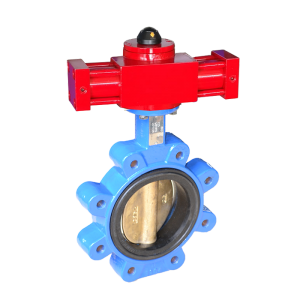
Hydraulic valve actuators are vital for ship propulsion systems. They control valves that manage fuel, lubricants, and cooling fluids. This helps engines work efficiently and stay in good condition. These actuators can move in straight lines or rotate, making them useful for different setups. In diesel engines, they adjust fuel timing. In gas turbines, they control airflow and fuel mixing. Additionally, hydraulic actuators control turbine operations in power generation, further highlighting their importance in energy systems.
Automated systems make hydraulic actuators even better. Remote controls let you change propulsion settings without being near the engine. This lowers mistakes and keeps performance steady, even in tough conditions. Whether in calm waters or rough seas, these actuators ensure reliable propulsion.
Note: Hydraulic valve actuators handle high pressure and have strong power. This makes them perfect for marine propulsion systems.
Steering Mechanisms
Ships need hydraulic valve actuators for steering systems to work smoothly. These actuators move valves that guide hydraulic fluid to the rudder. This lets the ship change direction easily and quickly. Their strong force and fast response make them better than other actuators for steering.
Studies show hydraulic actuators improve steering control. The table below explains their benefits:
| Evidence Type | Description |
|---|---|
| Hydraulic Actuators | Improve steering by boosting control and responsiveness. |
Hydraulic actuators help ships steer better in tight spaces like docks or harbors. They are tough and work well under heavy loads and in salty conditions. This makes them ideal for steering systems in commercial and navy ships.
Ballast Control Systems
Ballast systems keep ships balanced and stable. Hydraulic valve actuators control valves that move water in and out of ballast tanks. This helps adjust the ship’s weight for safe operations.
The table below shows how hydraulic actuators perform in ballast systems:
| Metric | Value |
|---|---|
| Leakage | None |
| Dead Zone | About 10% |
| Bandwidth (5% input) | 30 Hz |
| Bandwidth (100% input) | 6 Hz |
| Rotation Angle Error | ±0.1° |
These actuators stop leaks and position valves accurately. This is important for keeping the ship stable. They work fast, even in emergencies like rough seas. For example, they help move ballast water to prevent capsizing.
Modern ballast systems use hydraulic actuators for better control. They meet global rules like the Ballast Water Management Convention. This ensures safe and automated ballast operations. Hydraulic actuators can provide several characteristics, such as dimensional data and technical specifications, which help in selecting the right actuator for specific marine applications. It is important to determine the correct hydraulic actuator specifications based on the size and requirements of the ballast system.
Cargo Handling and Deck Equipment
Hydraulic valve actuators are key for handling cargo and deck gear. They control valves that guide hydraulic fluid to power cranes, winches, and hatch covers. These systems help lift heavy items, secure cargo, and keep deck work smooth.
Cargo equipment faces tough challenges like heavy loads and bad weather. Hydraulic actuators solve these problems with strong force and precise control. For example, in cranes, they open and close valves accurately. This moves the crane arm smoothly, lowering accident risks and boosting efficiency. They can also have pre-compressed and customizable spring rates, enhancing their adaptability for various tasks. Beyond marine applications, hydraulic actuators are utilized in mining for hydraulic shovels, haul truck braking systems, and conveyor belt control, demonstrating their broad utility.
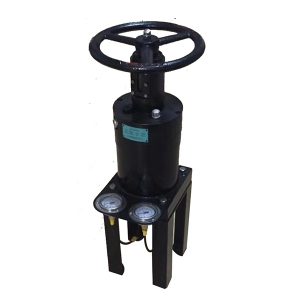
Hatch covers also rely on hydraulic actuators. These actuators control valves that move cylinders to open or close covers. This keeps cargo safe from rain and seawater during trips.
Modern ships use advanced actuators for better cargo handling. Automated systems let you control deck gear remotely. This saves effort, speeds up work, and reduces maintenance. These actuators resist rust and handle heavy use well.
Tip: Pick actuators with strong force and rust resistance for better cargo handling.
Hydraulic valve actuators are vital for shipbuilding. They ensure smooth cargo and deck operations, even in tough conditions.
Valve Actuation Across Marine Industries
Hydraulic actuators are at the heart of valve actuation across a wide range of marine industries, from offshore oil and gas platforms to commercial shipping and naval vessels. In these demanding environments, hydraulic actuators are relied upon to control the flow of critical fluids—such as fuel, water, and cargo—ensuring smooth and safe operation even under the harshest conditions.
One of the key features of hydraulic actuators is their ability to deliver high force and precise control, which is essential for managing valves in systems exposed to corrosive seawater, extreme temperatures, and high pressures. Double acting hydraulic actuators are especially valued in marine applications for their superior control and responsiveness, allowing for accurate valve positioning and reliable operation in both directions.
These actuators are engineered to withstand the rigors of marine environments, offering exceptional durability and resistance to corrosion. Their robust design means they can operate efficiently in ballast water management, cargo handling, and propulsion systems, providing the power and reliability needed for mission-critical tasks. By minimizing power loss and maximizing efficiency, hydraulic actuators help marine operators reduce operational costs and improve overall safety.
The versatility of hydraulic actuators allows them to be used in a wide range of applications, from automated deck equipment to complex fluid control systems. Their proven performance and ability to maintain control and efficiency in challenging conditions make them an indispensable component in modern marine valve actuation systems.
Real-World Examples of Successful Hydraulic Valve Actuation
Hydraulic actuators have proven their value in a variety of real-world industrial applications, delivering reliable valve actuation in some of the most challenging environments. On offshore oil and gas platforms, for example, hydraulic actuators are used to precisely control the flow of fluids and gases, ensuring safe and efficient operation even in the face of high pressures and corrosive conditions.
In power plants, hydraulic actuators play a vital role in managing the flow of steam and water through high performance valves, providing the force and precision needed for optimal system performance. Their ability to operate reliably in harsh environments makes them a preferred choice for critical infrastructure.
Industrial applications such as manufacturing and processing also benefit from hydraulic actuators, which offer precise control and high force for a variety of valve operations. The use of pre-compressed hydraulic actuators adds an extra layer of safety, enabling fail-safe operation in the event of loss. Fail-open and fail-close actuator options further enhance safety by ensuring that valves move to a safe position during emergencies, protecting both equipment and personnel.
These features translate into tangible benefits: improved efficiency, reduced maintenance requirements, and enhanced reliability. Customers in marine and industrial sectors report increased productivity and less downtime thanks to the robust performance of hydraulic actuators. Their ability to provide safe, reliable, and efficient valve control has made them a cornerstone of modern power plants, offshore platforms, and a wide range of applications.
Benefits of Hydraulic Valve Actuators in Marine Ships
Reliability in Harsh Marine Environments
Hydraulic valve actuators work well in tough marine conditions. They help valves function smoothly under high pressure and salty water. In deep seas, pressure can go over 15,000 psi. Valves face physical, chemical, and mechanical challenges but must still work properly.
Hydraulic systems are built to handle these challenges. They are stronger and more reliable than electric actuators in harsh environments. As offshore drilling goes deeper, durable valves are needed. Hydraulic actuators meet this demand with fewer failures, as shown by OREDA data.
Tip: Pick hydraulic actuators made with anti-rust materials for longer-lasting valves in tough conditions.
Operational Efficiency and Energy Savings
Hydraulic valve actuators improve how systems work and save energy. They control fluid flow better, cutting waste and lowering energy use. Pressure Independent Balancing Control Valves (PIBCVs) show how hydraulic systems boost efficiency. PIBCVs can cut energy costs by 20% or more by keeping flow rates steady.
These savings help both short-term and long-term operations. Hydraulic actuators also reduce downtime by making valve movements smooth. This keeps systems running well, whether for propulsion, ballast, or cargo tasks. Their small size and strong force make them perfect for marine use.
Note: Switching to hydraulic actuators can save energy and improve your ship’s systems.
Enhanced Safety and Risk Mitigation
Safety is very important on ships, and hydraulic actuators help reduce risks. They control valves precisely, lowering the chance of accidents. For example, in ballast systems, they stop leaks and position valves correctly to keep the ship stable.
These actuators handle high pressure easily, preventing system failures. Their anti-corrosion materials protect against seawater damage, ensuring they work well even in emergencies. Using hydraulic actuators makes your ship safer and reduces maintenance needs.
Callout: Using strong components like hydraulic actuators increases safety and lowers risks in marine systems.
Comparison of Hydraulic Valve Actuators with Other Actuator Types
Hydraulic vs. Electric Actuators
Hydraulic and electric actuators work differently on ships. Hydraulic actuators are great for heavy tasks and high pressure. They create strong force, perfect for deck machines and propulsion. Electric actuators are better for precise control and easy electronic connections.
Here’s a comparison table:
| Feature | Hydraulic Actuators | Electric Actuated Valves |
|---|---|---|
| Market Segment | Biggest in marine use | Fast-growing segment |
| Maintenance Costs | Low maintenance needed | Moderate maintenance needed |
| Load Handling | Handles very heavy loads | Handles lighter loads |
| Integration with Electronics | Works with modern electronics | Connects seamlessly |
Hydraulic actuators are best for tough, high-force jobs. Electric actuators are ideal for systems needing accuracy and automation. Choose based on your ship’s needs.
Hydraulic vs. Double Acting Pneumatic Actuators
Hydraulic actuators are stronger than pneumatic ones for marine use. Pneumatic actuators are cheaper and easier to maintain. But they lack the power for heavy lifting or high-pressure tasks. Hydraulic actuators are better for propulsion and underwater work.
Key differences:
- Pneumatic actuators cost less but can’t handle heavy tasks.
- Hydraulic actuators are more powerful and efficient for marine systems.
- Pneumatics lose pressure and are less reliable under heavy use.
- Hydraulic systems keep steady force, even in tough conditions.
For high-pressure tasks, hydraulic actuators are the best choice. Pneumatic actuators work for light jobs but aren’t strong enough for marine challenges.
Why Hydraulic Actuators Are Preferred in Marine Industrial Applications
Hydraulic actuators are the top choice for marine tasks because they are strong and reliable. They handle heavy jobs like deck work and underwater drilling easily. Their tough design works well in harsh sea conditions.
Benefits include:
- Strong force for lifting and propulsion.
- Tough design for deep-sea use.
- Precise control for steering and ballast systems.
Hydraulic actuators give the power and dependability ships need. They handle heavy loads and tough environments, making them essential for modern ships.
Future Trends in Hydraulic Valve Actuators for Marine Ships
Advancements in Hydraulic Technology
Hydraulic systems are getting smarter and more efficient. Intelligent valves now use sensors to check flow, pressure, and temperature. These sensors work with AI to adjust valves automatically. This improves performance and reduces manual work.
New designs save energy while keeping strong force. Modern actuators use less power but work better. Hydraulic pumps last longer now, cutting down on replacements. This saves money and time for ship operators.
Tip: Choose hydraulic systems with smart features to boost performance and lower maintenance costs.
Integration with Smart Marine Systems
Smart marine systems are changing how ships operate. Hydraulic actuators now use IoT for real-time monitoring and maintenance. You can check system health remotely and fix problems early.
Sensors give live updates on valve status and flow rates. This reduces the need for inspections in hard-to-reach places. Communication networks make installation easier and cheaper, saving time and effort.
Callout: Smart hydraulic actuators increase efficiency and reliability for modern ships.
Contribution to Sustainable and Eco-Friendly Shipbuilding
Hydraulic actuators help make shipbuilding greener. New methods like selective laser melting (SLM) cut environmental impact by over 37%. Better designs reduce this impact even more.
These changes support global goals to lower emissions. Using eco-friendly hydraulic systems helps protect the planet and meet regulations.
Note: Picking sustainable hydraulic actuators helps the environment and meets international rules for green shipbuilding.
Hydraulic valve actuators are very important for building modern ships. They help systems work smoothly, even in tough conditions. Their strong reliability, efficiency, and safety make them key for handling propulsion, steering, and ballast systems. Hydraulic actuators can also be configured for various power options, including solar, making them versatile for different energy setups.
Tip: Pick top-quality hydraulic actuators to boost performance and lower risks.
These actuators also help ships follow environmental rules while staying efficient. Their smart features and toughness make them perfect for creating eco-friendly and high-performing ships.

FAQ
Why are hydraulic valve actuators better than manual systems?
Hydraulic actuators give accurate control and handle tough tasks easily. They save effort and work faster than manual systems. Their small size fits tight ship spaces, making them perfect for marine use. Moreover, hydraulic actuators can be tested according to specific testing standards, ensuring their reliability and performance in critical applications.
Can hydraulic valve actuators handle tough marine conditions?
Yes, they are made to survive harsh environments. Special materials stop saltwater damage. They also work well under high pressure and extreme heat or cold, ensuring reliable performance.
How do hydraulic actuators help save energy on ships?
Hydraulic actuators improve fluid flow and cut energy waste. Designs like Pressure Independent Balancing Control Valves (PIBCVs) keep flow steady, saving up to 20% on energy costs. This helps ships run efficiently over time.
Are hydraulic actuators simple to maintain?
Yes, they need less care compared to other systems. Electro-hydraulic actuators stop leaks and reduce wear. Regular checks and rust-proof materials make them last longer.
Why are hydraulic actuators great for ballast systems?
Hydraulic actuators quickly and accurately control ballast water valves. They stop leaks and keep ships stable, even in rough seas. They also meet global rules, making them dependable for ballast operations.
Can hydraulic actuators connect to smart marine systems?
Yes, modern hydraulic actuators use IoT and sensors for live tracking. You can monitor valves remotely, reducing the need for manual checks. This makes maintenance easier and improves efficiency.
How long do hydraulic valve actuators last?
With good care, hydraulic actuators can last over 10 years. Using rust-proof materials and following maintenance plans keeps them durable. New designs also reduce wear, making them last longer.
Are hydraulic actuators environmentally friendly?
Yes, newer models focus on being eco-friendly. They use less energy and sustainable materials. Technologies like selective laser melting (SLM) lower environmental harm, supporting green shipbuilding goals.
Tip: Pick hydraulic actuators with smart and eco-friendly features for better performance and sustainability.