

DNV and ABS certification have tough rules for butterfly valves in ships. DNV-certified marine butterfly valves go through careful checks and tests. ABS also needs strong certification for marine butterfly valves, marine gate valve, marine globe valve, and marine check valve. Every group, like DNV, looks at the materials and how well they work. Certification helps make sure marine butterfly valves are safe and work well in rough sea conditions.
Key Takeaways
- DNV and ABS certifications make sure butterfly valves are safe and high quality for ships.
- International rules like EN593 and API609 help design and size marine butterfly valves.
- Testing rules like EN 12266-1 and API 598 check if valves leak or can handle pressure.
- DNV certification checks the design, inspects factories, and watches tests to make sure valves work well.
- ABS certification needs factory checks and strict control of materials and how valves are made.
- Certified valves help ships follow world safety laws, avoid fines, and get into ports more easily.
- Using certified butterfly valves lowers the chance of leaks, accidents, and expensive repairs on ships.
- Multi-society certification lets valves be used in many countries, making ship work easier.
Butterfly Valve Standards
International Standards
EN593, API609
EN593 and API609 are important design rules for marine butterfly valves. EN593 is from Europe. It tells how to build butterfly valves and what size they should be. It also says how well they should work. API609 is an American rule. It talks about how butterfly valves should look and fit. Both rules help make sure each butterfly valve fits in pipes and works under pressure. Shipbuilders use these rules to keep valves safe and working right everywhere.
EN1092-2, ANSI B16.1, EN558-1
EN1092-2 and ANSI B16.1 tell how to connect flanges on marine butterfly valves. EN1092-2 is a European rule for cast iron flanges. ANSI B16.1 is an American rule for cast iron pipe flanges and fittings. EN558-1 gives the sizes for how long and wide valves should be. These rules help shipbuilders put in and change valves easily. The sizes stay the same, even if different companies make them.
Note: International rules like EN593 and API609 help shipyards and suppliers work together. They make things less confusing and help stop mistakes when putting in valves.
Testing Standards
EN 12266-1, API 598
Testing is very important for marine butterfly valves. EN 12266-1 and API 598 are the main testing rules. EN 12266-1 checks if valves can hold pressure and are strong. API 598 is an American rule that checks for leaks and tests pressure. These rules make sure every butterfly valve can handle hard sea conditions.
Ship groups like DNV need these rules for many reasons:
- They make sure marine butterfly valves are safe and work well.
- They help stop leaks and problems in ship systems.
- They help ships trade around the world by meeting big rules.
Marine butterfly valves that pass these rules make shipowners feel safe. DNV and other groups only say yes to valves that pass these hard tests. This keeps ships, cargo, and people safe from problems.
DNV Certification

DNV Certification Process
Application, Audit, Inspection
To get DNV certification for a butterfly valve, shipbuilders and valve makers follow steps. First, they fill out an application. They send in papers about the valve, like drawings and lists of materials. DNV checks these papers to see if the design is good enough.
Next, DNV does an audit. Auditors go to the factory. They look at how the valves are made and how quality is checked. They want to see that every valve is made the same way.
The last step is inspection. DNV surveyors watch as the valve is made and tested. They make sure the valve works under pressure and does not leak. Only valves that pass all these steps get DNV certification.
Tip: Talking to DNV early can help companies avoid problems during the audit and inspection.
DNV Requirements
Design, Materials, Testing
DNV has rules for every part of the ship valve. The design must have clear drawings, pressure numbers, and temperature limits. DNV checks the sealing part to make sure it works at sea.
Materials must come from approved places. Each batch needs a certificate that follows EN 10204 3.1 or 3.2. DNV only allows materials that meet high standards.
Testing is very important for DNV certification. DNV surveyors watch non-destructive tests, like ultrasonic or radiographic tests. They also watch pressure and leak tests. Sometimes, DNV asks for extra tests, like low-temperature or fire safety checks.
The table below shows the main DNV rules for ship valves:
| Criteria Category | Specific Requirements |
|---|---|
| Design Submission | Structural drawings, material specifications, working pressure, temperature range, sealing structure |
| Material Certification | Use of DNV-approved materials; certificates per EN 10204 3.1 or 3.2 |
| Non-Destructive Testing (NDT) | Ultrasonic Testing (UT), Radiographic Testing (RT), Magnetic Particle Testing (MT) or Dye Penetrant Testing (PT); inspections witnessed/reviewed by DNV surveyor |
| Performance Testing | Shell pressure tests, leakage/sealing tests under DNV supervision |
| Additional Tests (if applicable) | Low-temperature impact test, fire safety test, corrosion resistance tests (e.g., NACE standards) |
| Manufacturing Supervision | DNV monitors manufacturing process |
| Final Acceptance | Issuance of DNV-signed product certificate |
Documentation, Traceability (EN10204-3.1/3.2)
DNV cares about records and traceability. Every butterfly valve needs full records. These records show where the materials came from and how the valve was made. Certificates like EN10204-3.1 or 3.2 prove the materials are good. DNV checks these papers before giving certification. This helps shipowners trust that each valve is high quality.
DNV Rules for Ship Valves
DNV Pt.4, Ch.6, 5 bar Test Pressure
DNV has clear rules for ship valves in DNV Pt.4, Ch.6. This chapter tells the technical rules for marine valves. For example, DNV needs a 5 bar test pressure for many ship valves. The butterfly valve must pass this test without leaks or breaking. DNV surveyors watch the test to make sure the valve meets the rules.
DNV certification gives shipbuilders and owners trust. They know the butterfly valve will work well at sea. Meeting DNV rules also helps ships trade worldwide, because many ports trust DNV-certified products.
ABS Certification

ABS Certification Process
Application, Factory Assessment
ABS certification begins with an application. The manufacturer sends in documents about the butterfly valve. These papers have drawings, lists of materials, and old test results. ABS checks these to see if the valve design is good enough.
After this, ABS sends inspectors to the factory. They do a factory check. Inspectors watch how the valves are made. They see if workers follow the right steps. They also look at the tools and machines used. Inspectors want every valve to be made the same way. They also check if the factory keeps good records for each step.
Note: Talking to ABS early helps companies get ready for the factory check and avoid waiting for certification.
ABS Requirements
Design, Material, Manufacturing
ABS rules focus on safety and strength. The design must follow big rules like ANSI, API, or ISO. The design also needs to handle things like rust and shaking at sea. ABS looks at the drawings to make sure the butterfly valve can work in tough sea places.
Materials are very important for ABS certification. ABS only allows materials that meet ASTM or marine-grade rules. Common choices are CF8M stainless steel, bronze, or ductile iron. Each batch of material must have certificates. These papers show the material meets ABS rules.
Making the valves must follow strict steps. ABS inspectors watch to make sure every valve is made the same way. They check if the factory uses the right methods and keeps good records. Good steps help stop mistakes and make better valves.
The table below shows the main number rules for ABS certification:
| Requirement Category | Quantified Requirement |
|---|---|
| Materials | Must comply with ASTM or marine-grade standards such as CF8M, Bronze, or Ductile Iron |
| Design | Must follow ANSI/API or ISO standards and address marine-specific conditions like corrosion and vibration resistance |
| Pressure Ratings | Typically PN10, PN16, or 150 PSI |
| Testing | Includes pressure testing, sealing tests, and performance evaluations |
| Documentation | Requires submission of material certificates, test reports, engineering drawings, and quality assurance documentation for ABS review |
Testing, Quality Documentation
Testing is a big part of ABS certification. Inspectors watch pressure and sealing tests. They make sure the butterfly valve does not leak and can hold the right pressure. Performance checks see if the valve works well on ships.
Good paperwork is needed too. Makers must send in material papers, test reports, and quality records. ABS looks at these before giving certification. Good records help track each valve back to its materials and how it was made.
Tip: Keeping clear and full records helps the ABS certification go faster.
ABS Steel Vessel Rules
1-1-7/7, 4-6-2/5.11
ABS Steel Vessel Rules set the main rules for marine butterfly valves. Rule 1-1-7/7 is about approving materials and products. It tells how ABS checks and says yes to each part. Rule 4-6-2/5.11 is about valves in ship pipes. It lists the tests and papers needed for certification.
ABS uses these rules to make sure every butterfly valve is safe and high quality. Shipbuilders and suppliers must follow these rules to get ABS certification. Meeting these rules helps ships stay safe and get into ports around the world.
Other Classification Societies
CCS, LR, NK, BV, KR, RS, DNVGL
Shipbuilders work with many classification societies. Each society has its own rules for marine butterfly valves. Some important societies are:
- CCS (China Classification Society)
- LR (Lloyd’s Register)
- NK (Nippon Kaiji Kyokai/ClassNK)
- BV (Bureau Veritas)
- KR (Korean Register)
- RS (Russian Maritime Register of Shipping)
- DNVGL (now DNV)
These groups check how valves are made and tested. They want to make sure valves are safe and high quality. For example, LR and BV want to see drawings and test results. NK and KR care about where materials come from and how valves work at sea. CCS and RS often ask for extra tests against rust.
Each society gives a type approval certificate if the valve passes. This paper shows the valve is good for use on ships. Shipbuilders trust these certificates when picking valves for new ships or repairs.
Note: Many shipowners like valves with certificates from big societies. This helps ships get into ports around the world without problems.
The table below shows what some societies check before giving approval:
| Society | Focus Areas | Certificate Issued |
|---|---|---|
| CCS | Corrosion, pressure, design | Type Approval Certificate |
| LR | Drawings, testing, materials | Type Approval Certificate |
| NK | Traceability, performance | Type Approval Certificate |
| BV | Quality, documentation | Type Approval Certificate |
| KR | Material, pressure, safety | Type Approval Certificate |
| RS | Corrosion, safety, design | Type Approval Certificate |
| DNVGL | Testing, documentation | Type Approval Certificate |
Multi-Society Certification

Some ships need valves approved by more than one society. This is called multi-society certification. It helps ships follow rules in different countries and ports. For example, a ship may need both dnv and abs certificates to trade in Europe and the United States.
Makers often build butterfly valves to meet the highest rules. They send the same valve to many societies for approval. Inspectors from dnv, abs, and others may visit the factory together. They check the design, materials, and test results at the same time. This saves time and helps the maker get many certificates.
Multi-society certification gives shipowners more choices. They can use the same valve on different ships or in different places. It also helps stop delays during checks in other countries.
Tip: Picking valves with multi-society approval can make ship work easier and safer.
Application in Shipbuilding
Critical Systems
Shipbuilders put certified butterfly valves in many ship systems. These valves help control water, fuel, and air flow. Engineers use them in ballast systems and fire-fighting lines. They also go in cooling water circuits on ships. Butterfly valves help with bilge and ballast jobs too. When a ship needs to balance or fight a fire, these valves must work.
If these systems fail, big problems can happen. For example, a leaking valve in a fire line means less water for fires. In ballast systems, a broken valve can make the ship move unsafely. Shipbuilders pick certified valves because they trust the strict rules. The valves must pass hard tests before going on ships.
Note: Certified butterfly valves help ships stay safe and work well, even in rough seas.
Safety and Compliance
Safety is very important in shipbuilding. Certified butterfly valves help meet safety rules. Groups like dnv and ABS set high standards for these valves. They check the design, materials, and test results. Only valves that pass every check get approved.
Shipowners must follow safety laws from many places. Using certified valves helps them follow these laws. Inspectors look for certificates when checking ships. If a ship has uncertified valves, it could get fines or delays. Certified valves also help stop leaks, fires, and other dangers.
A table below shows how certified valves help with safety and rules:
| Area | Benefit of Certified Valves |
|---|---|
| Fire Safety | Reliable water flow in emergencies |
| Pollution Control | Prevents leaks into the sea |
| Crew Protection | Reduces risk of accidents |
| Legal Compliance | Meets global and local regulations |
Global Market Access
Ships visit ports all over the world. Each country has its own rules for ship parts. Certified butterfly valves help ships enter more ports easily. Many ports only let in ships with approved valves. Certification from groups like dnv or ABS shows the valves meet world standards.
Shipbuilders who use certified valves can sell ships in more places. Owners can also get insurance more easily. Certified valves help ships pass checks in Europe, Asia, and the Americas. This saves shipowners time and money.
Tip: Picking certified butterfly valves helps ships trade worldwide and avoid costly delays.
Importance of Certification
Safety and Reliability
Certification is very important for marine butterfly valves. It helps make sure the valves work safely and do not break. When valves follow strict rules, shipbuilders and owners can trust them at sea. Certified valves often have better designs that stop common problems. For example, a new subsurface safety valve uses a special radial punch system. This design has not failed in 2,300 uses. It stops the valve from turning on by accident, which was a big problem before. Other changes, like stronger thread seals and a wedge-shaped closure, help the valve last longer. These upgrades also help the valve work better. Gas slam tests at high speeds show these valves can handle tough jobs. All these steps mean fewer breakdowns and less surprise repairs. Ships are safer when they use certified valves.
Certified valves help keep ships, cargo, and people safe by lowering the chance of leaks or sudden problems.
Regulatory Compliance
Shipbuilders must follow many rules from different groups. Certification helps them meet these rules. Groups like dnv and ABS check every part of the valve. They look at the design and test the valve before it goes on a ship. They make sure the valve meets world standards like EN593 or API609. When a valve has a certificate, inspectors know it follows all the rules. This makes ship checks faster and easier. Certified valves also help ships get into ports in many countries. Owners do not get fines or legal trouble when they use approved valves.
A table below shows how certification helps with rules:
| Compliance Area | Certification Benefit |
|---|---|
| International Standards | Meets EN, API, and ISO requirements |
| Port Entry | Eases access to global markets |
| Legal Inspections | Passes checks by authorities |
| Insurance | Qualifies for better coverage |
Risk Reduction
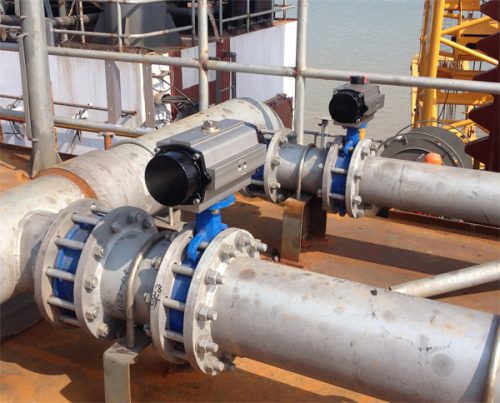
dnv certification is important for lowering risks. Certified butterfly valves help stop accidents and expensive repairs. They go through hard tests, like pressure and leak checks, before being used on ships. These tests find weak spots early, so only strong valves are used. Shipowners see fewer leaks, fires, or pollution when they use certified valves. Insurance companies also like ships with certified parts because there are fewer problems. By picking certified valves, shipbuilders and owners protect their money and keep everyone safer.
Picking certified valves is a smart way to lower risks and keep ships working well.
DNV and ABS certified butterfly valves are very important for ship safety. These valves help ships follow rules and pass checks.
- Shipbuilders and suppliers should learn about certification steps. They should pick partners they trust.
- Certified valves last longer and help follow the rules.
Choosing valves with dnv approval makes ships safer. It also helps ships work better in ports around the world. DNV certification helps shipowners meet tough port rules.
FAQ

What does DNV certification mean for a butterfly valve?
DNV certification means the butterfly valve is safe and high quality. DNV checks how the valve is made and what it is made from. They also test the valve to make sure it works well. Shipbuilders trust DNV-certified valves for important ship jobs.
Why do shipbuilders choose ABS certified butterfly valves?
Shipbuilders pick ABS certified valves because ABS checks them for strength and safety. These valves help ships follow world rules and pass port checks. Shipbuilders know these valves are strong and reliable.
Can a butterfly valve have both DNV and ABS certification?
Yes, some butterfly valves have both DNV and ABS certificates. Makers build these valves to meet the hardest rules. Having both certificates lets ships work in more places.
What documents do manufacturers need for certification?
Makers must give drawings, material papers, and test results. They also need to show records of how they check quality. Certification groups look at these papers before saying yes.
How often do valves need retesting or recertification?
Most groups want valves checked again after some time. How often depends on the valve and how it is used. Regular checks help keep valves safe and working right.
Are certified butterfly valves required for all ship systems?
Not every ship system needs certified valves, but important ones do. Fire lines, ballast, and fuel lines must use certified valves. Certification makes sure these valves work in hard sea jobs.
What happens if a ship uses uncertified butterfly valves?
Ships with uncertified valves can get fines or be stopped at ports. Insurance can also be harder to get. Certified valves help ships avoid these problems.
Do certified butterfly valves cost more?
Certified valves usually cost more than regular ones. The higher price is for better materials and tough tests. Many shipowners think this is a good choice for safety and following rules.